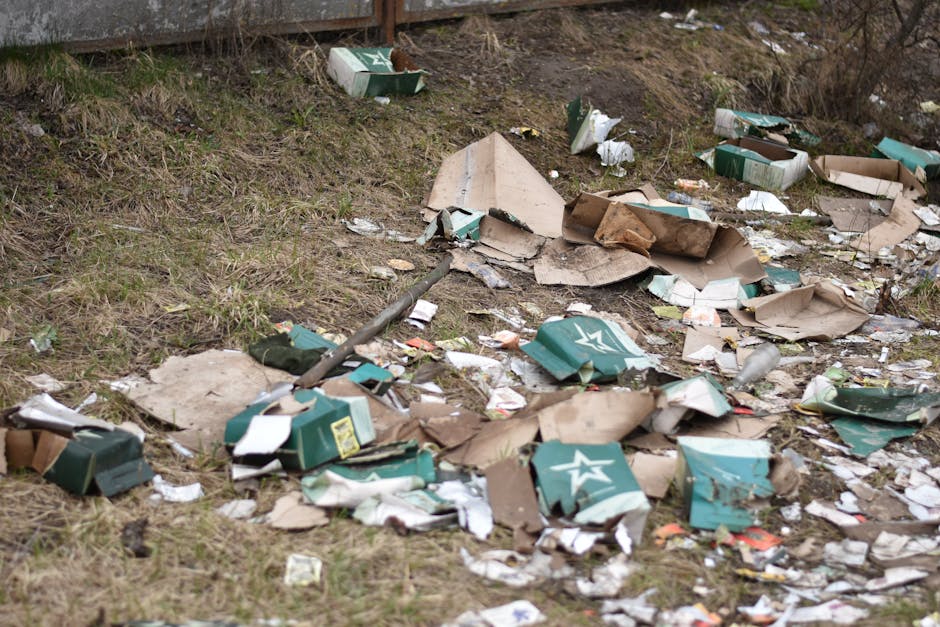
Avoid fines for fly tipping in Byfleet Surrey council rules: a practical local guide
If you are trying to avoid fines for fly tipping in Byfleet Surrey council rules, you are probably dealing with a very ordinary problem that can turn awkward fast: too much rubbish, not enough time, and a bit of uncertainty about what is allowed. One wrong move with a sofa, bag of rubble, or pile of garden waste can create a headache you really do not want. The good news is that the rules are manageable once you understand the basics, and in most cases the safest route is also the simplest one.
This guide explains what fly tipping means, why council rules matter, how to dispose of rubbish properly in and around Byfleet, and what to do if you are not sure whether something needs special handling. We will keep it plain-English and practical, because let's face it, nobody needs a lecture when they just want the shed cleared or a broken wardrobe gone.
Table of Contents
- Why it matters
- How it works
- Key benefits and practical advantages
- Who this is for and when it makes sense
- Step-by-step guidance
- Expert tips for better results
- Common mistakes to avoid
- Tools, resources and recommendations
- Law, compliance, standards, or best practice
- Options, methods, or comparison table
- Case study or real-world example
- Practical checklist
- Conclusion
- Frequently asked questions
Why avoid fines for fly tipping in Byfleet Surrey council rules matters
Fly tipping is not just an eyesore. It can lead to enforcement action, clean-up costs, neighbour disputes, and a lot of unnecessary stress. In a place like Byfleet, where residential streets, village areas, and busier local roads sit close together, dumped waste can become visible quickly. A black bag in the wrong hedge, a mattress left by a communal bin store, or building waste tipped at the roadside may be traced back to the person responsible.
The important thing to understand is that responsibility does not disappear just because someone else moved the waste for you. If you hand rubbish to an unlicensed operator, or you do not check where your waste is going, you may still be held accountable. That is where people get caught out. It sounds obvious afterward, of course. Beforehand, not so much.
There is also a wider local impact. Illegal dumping can attract more dumping, block access, create hazards for pedestrians and drivers, and make a street feel neglected. For homeowners, landlords, and businesses in Byfleet, staying on the right side of disposal rules is not only about avoiding fines. It is also about protecting your property, your reputation, and the community around you.
Key takeaway: the cheapest-looking waste option is not always the safest. If the disposal route is unclear, the risk is often higher than the saving.
How avoid fines for fly tipping in Byfleet Surrey council rules works
At a basic level, the process is simple: if you produce waste, you need to dispose of it responsibly. That means using a lawful route, keeping evidence of who handled it, and making sure the items go to the right place. In practice, there are a few common routes people use in Byfleet.
Typical lawful disposal routes
- Taking suitable items to an approved waste site or recycling facility, where permitted.
- Arranging a licensed waste removal service to collect and dispose of the rubbish.
- Using a council collection service where one exists for the waste type.
- Separating recyclable, reusable, and general waste so it can be handled correctly.
What matters most is not just that the rubbish leaves your property, but that it leaves through a proper channel. If a provider offers a suspiciously cheap collection and gives you no paperwork, no business details, or no clear answer about disposal, that is a red flag. To be fair, most people can spot that feeling in their gut if they slow down for ten seconds.
In the local context, many households and businesses also look at whether the waste is bulky, hazardous, recyclable, or mixed. A single trip with garden clippings is one thing. A mixed load with plasterboard, old paint tins, and broken furniture is another. The more varied the waste, the more important it becomes to separate it properly and choose the right disposal route.
If you are dealing with regular household clutter, a broader service such as house clearance may be more suitable than a one-off skip-style approach. For mixed domestic waste, a general waste removal service can be a cleaner, simpler solution when you want the job done without leaving anything questionable behind.
Key benefits and practical advantages
The real benefit of understanding local fly tipping rules is peace of mind. You know what to do, what to avoid, and how to keep things tidy without overthinking every bin bag. That sounds small, but it saves time and avoids those last-minute panics when a pile of rubbish has been sitting in the hallway for a week.
What you gain by staying compliant
- Lower risk of penalties: a proper disposal trail reduces the chance of being linked to unlawful dumping.
- Better organisation: sorting waste early makes collections easier and cheaper in many cases.
- Less stress: you are not wondering whether an item can be left outside, taken to the tip, or booked for collection.
- Cleaner surroundings: rubbish is removed properly rather than becoming a nuisance on the street or in shared areas.
- More confidence when hiring help: you can spot a legitimate waste provider more quickly.
There is another quiet benefit people often miss: good disposal habits make future clear-outs easier. Once you know how to deal with furniture, garden waste, garage clutter, or business rubbish, you stop treating every item like a mini crisis. That is surprisingly freeing.
For example, if you are clearing out storage or a loft, a service such as loft clearance can help keep the process orderly. Likewise, if the mess has built up in a corner of the house over months, home clearance can be a much smoother way to avoid ad hoc dumping or missed items.
Who this is for and when it makes sense
This topic matters to almost anyone producing waste in Byfleet, but a few groups need to be extra careful.
Households
Homeowners and tenants often need guidance when clearing bulky furniture, broken appliances, garden waste, or leftover renovation materials. A quick decision can become the wrong one if the rubbish is left by a bin area or handed to the first person who offers to "take it away cheap".
Landlords and letting agents
Void properties, end-of-tenancy clearances, and abandoned items can all create disposal risks. If tenants leave waste behind, the landlord still has to make sure it is removed properly. The paperwork side matters here too.
Businesses
Shops, offices, cafes, and light industrial premises can all generate waste that needs proper handling. Cardboard, packaging, office furniture, fixtures, and mixed rubbish should not simply be abandoned behind the premises or left for someone else to sort out. A reliable business waste removal arrangement helps keep things compliant and tidy.
Trades and refurbishment jobs
If you are renovating, fitting out, or doing small building works, waste can build up very quickly. Plasterboard, timber, packaging, old fittings, and rubble are not the kind of materials you want drifting into the wrong disposal route. In those cases, builders waste clearance is often the better option than trying to improvise.
And yes, even a simple garage clear-out can go wrong if people mix useful items, recyclables, and general waste in one pile. A garage clearance is one of those jobs that looks easy until you realise there are paint tins, old batteries, and three bikes nobody can quite remember buying.
Step-by-step guidance
If you want a practical way to avoid fines for fly tipping in Byfleet Surrey council rules, follow a simple sequence. No drama. No guesswork.
- Identify the waste type. Separate household rubbish, furniture, green waste, construction waste, and anything hazardous or special-handling.
- Check whether it can be reused or donated. If something is still usable, that can be the cleanest solution of all.
- Choose a lawful disposal method. Use a council-approved route, a licensed waste contractor, or a suitable collection service.
- Ask for details before booking. A genuine provider should explain where the waste goes and how it is handled.
- Keep records. Retain receipts, invoices, or any documentation that shows who collected the waste and when.
- Do not leave waste outside unless it is permitted. Leaving items on the pavement, by a hedge, or beside bins can look like dumping, even if you intended collection.
- Follow up on special items. Fridges, mattresses, electricals, tyres, paint, and rubble may need different handling.
A useful habit is to sort waste before collection day, not after. Put furniture together, recyclables together, and anything potentially awkward aside. That five-minute decision can save you a lot of back-and-forth later. Honestly, the magic is in the sorting.
If you are dealing with furniture, a dedicated furniture clearance or furniture disposal service can be a cleaner fit than trying to work it all out alone. For smaller pieces and mixed household items, the right collection method depends on the load, the access, and how quickly you need it gone.
Expert tips for better results
There are a few habits that make a real difference, especially if you want to stay within local rules and avoid accidental fly tipping issues.
1. Keep evidence of disposal
A receipt, job sheet, or invoice can be worth its weight in gold if there is ever a dispute. If someone says waste was dumped unlawfully, having a clear paper trail helps show you acted properly.
2. Be extra careful with "cheap collection" offers
Low prices can be genuine. They can also be a trap. If the provider will not say where your waste is going, or cannot explain what licence or authority they operate under, walk away. A bargain is no bargain if it comes back as a fine or complaint.
3. Separate reusable items early
Not everything needs to become waste. Old shelving, desks, chairs, and garden equipment can sometimes be reused, repurposed, or passed on. That reduces volume and often reduces cost too. There is a lot of life left in some items, even when they look a bit tired around the edges.
4. Time your clearance sensibly
If you have a busy street, shared parking, or narrow access, choose a collection time when the area is quieter. Early morning or a calmer weekday slot can make the job smoother and reduce the chance of items sitting out too long.
5. Ask about sensitive waste types
Some materials need special handling. Electronics, white goods, paint, chemicals, and certain building materials should not be treated like general rubbish. If in doubt, ask before the waste leaves your property.
If the job is a full room clear-out, a broader flat clearance can also help when access is tighter and the waste has to be removed efficiently without blocking corridors or shared entrances. That matters more than people think.
Common mistakes to avoid
Most fly tipping problems come from a handful of avoidable mistakes. They are simple, which is probably why people repeat them.
- Leaving waste next to bins: even if you meant collection, it can still be treated as dumped waste if it is not arranged properly.
- Using an unlicensed collector: no paperwork, no traceability, no protection.
- Assuming "someone will take it" means it is legal: a friend, neighbour, or informal helper may not be the right person to handle disposal.
- Mixing hazardous items with general waste: this can create safety issues and disposal problems.
- Ignoring bulky items: mattresses, sofas, fridges, and cupboards often need a planned collection rather than an improvised one.
- Forgetting commercial waste duties: businesses have a duty to ensure their waste is managed properly, not just piled at the back door.
One common scenario is the "I'll sort it tomorrow" pile. We all know it. A couple of bin bags become a small mountain by the fence. Then it rains, the bags split, and suddenly the whole thing looks a lot more like dumping than tidy storage. Not ideal.
If you are handling rubbish from a garden project, a structured garden clearance can keep green waste separate from general rubbish and reduce the chance of a messy, non-compliant pile building up outside.
Tools, resources and recommendations
You do not need a complicated toolkit to manage waste properly, but a few simple tools make the process easier.
Practical tools that help
- Strong refuse sacks and boxes: for sorting and securing smaller waste streams.
- Labels or marker pens: helpful if several people are involved in the clear-out.
- Gloves and basic protective gear: especially for lofts, garages, and garden waste.
- Phone camera: useful for photographing what was collected and keeping a record.
- Notebook or digital notes: handy for item lists, collection details, and provider information.
There are also a few practical service options worth knowing about if you want to avoid DIY disposal complications. For example, some people look at pricing and quotes first so they can compare services before booking. That is sensible. Good comparison helps you avoid both overpaying and getting caught by a suspiciously vague offer.
For residents who want a broader overview of disposal habits and local good practice, the site's recycling and sustainability information is also useful background when deciding whether items can be diverted away from disposal altogether.
And if you are looking for an overview of the business itself before booking a service, the about us page can help you understand the approach and values behind the work. Small detail, but it builds trust.
Law, compliance, standards, or best practice
When people talk about fly tipping, they usually mean the illegal deposit of waste on land without permission. In practical terms, the key compliance idea is simple: waste should be stored, moved, and disposed of in a way that is lawful, traceable, and safe.
For households, best practice usually means using a legitimate disposal route, keeping evidence, and not placing waste where it could be mistaken for abandoned rubbish. For businesses, the standard is a bit stricter in day-to-day terms, because commercial waste needs proper management and records. If you run a premises, it is sensible to treat waste like any other operational duty rather than a side task that gets ignored until the bins overflow.
A few sensible standards to follow:
- Use reputable providers with clear contact details and written confirmation.
- Keep waste streams separate where practical.
- Store rubbish securely until it is collected.
- Do not rely on verbal promises alone.
- Make sure special items are handled through the right route.
There is also a safety side to this. Items left out in the open can become trip hazards, attract pests, or block access. If you are dealing with large quantities or awkward materials, checking the provider's health and safety approach and insurance and safety details is a smart move. It is not overcautious. It is basic common sense.
For anyone worried about how a provider handles payments, records, or service terms, the relevant site policies on payment and security and terms and conditions can also support a better decision. Plainly put, the more transparent the business, the safer the booking.
Options, methods, or comparison table
If you are deciding how to remove waste without risking a fly tipping issue, it helps to compare the main options side by side. The best choice depends on waste type, volume, access, and how quickly you need the area cleared.
| Method | Best for | Pros | Watch-outs |
|---|---|---|---|
| Self-disposal | Small, manageable loads | Good control, can suit simple household waste | Takes time, needs transport, must follow facility rules |
| Licensed waste removal | Mixed domestic or commercial rubbish | Convenient, traceable, often quicker | Quality varies, so check paperwork and service details |
| Specialist clearance service | Bulky, awkward, or time-sensitive jobs | Efficient, less physical work, better for access issues | May cost more than doing it yourself |
| Reuse or donation | Items in usable condition | Lowest waste, potentially free or low-cost | Not suitable for damaged or unsafe items |
For many Byfleet residents, a specialist clearance option is the best middle ground. It keeps the job legal, reduces physical effort, and avoids the "where does this actually go?" uncertainty that causes trouble later. If you are clearing a property after a move or bereavement, a more complete house clearance can often be the most practical route.
Case study or real-world example
Here is a realistic example from the kind of situation people in Byfleet run into all the time.
A homeowner had finished a small dining room refresh and ended up with a broken table, two chairs, old packaging, and a couple of bags of mixed clutter from the cupboard under the stairs. At first, the plan was to leave the items at the side of the drive and "see if someone picks them up". That would have been a mistake. It sat there through a damp evening, the bags started to sag, and the pile looked like dumped waste by morning.
Instead, the items were sorted into reusable, recyclable, and general waste. The furniture was booked for collection, the packaging was flattened, and the clutter was removed as part of a small home clearance. The whole thing took a bit longer to organise, but it avoided the risk of leaving rubbish out unsupervised and made the room usable again the same day.
The lesson is pretty simple: the lawful route is usually the calmer route. No drama. No guessing. Just a tidy outcome that would stand up to common sense if anybody questioned it later.
Practical checklist
Use this checklist before you put anything out for collection or hand it over to a waste carrier.
- Have I identified exactly what the waste is?
- Does anything need special handling, such as electricals, paint, rubble, or sharp materials?
- Have I separated reusable items from rubbish?
- Have I chosen a legitimate disposal route?
- Do I know who is collecting it and where it is going?
- Have I kept a receipt, invoice, or job confirmation?
- Is the waste stored safely until collection?
- Am I avoiding leaving anything on the pavement, verge, or beside bins unless it is explicitly allowed?
- If this is business waste, have I made sure records are kept properly?
- Would I be comfortable explaining this disposal method if asked later?
If you can tick most of those off, you are usually in a strong position. If not, pause and tidy the plan first. That one pause can save a lot of hassle.
Conclusion
Avoiding fines for fly tipping in Byfleet Surrey council rules really comes down to one thing: do not treat waste as an afterthought. Decide early, use a proper route, keep records, and make sure items go where they should. Whether you are clearing a loft, managing office rubbish, or getting rid of a bulky sofa, the same principle applies.
The best disposal choices are usually the ones that feel boring in the moment. They are booked properly, documented properly, and handled properly. Not flashy. Not exciting. But safe, clean, and far less likely to cause a problem later.
And if you are planning a bigger tidy-up, it is worth choosing a service that makes the whole thing simple from the start. That way, the job gets done, the street stays clear, and you can get on with your day with one less thing hanging over you.
Get a free quote today and see how much you can save.
Sometimes the smartest move is simply the quiet one that keeps everything in order.
Frequently Asked Questions
What counts as fly tipping in Byfleet?
Fly tipping generally means leaving waste on land without permission or using an improper disposal route. That can include bags, furniture, building materials, or mixed rubbish left in an alley, verge, or other public or private space.
Can I leave rubbish next to a bin if it is too full?
Usually, no. Leaving waste beside bins can still be treated as dumped rubbish if it is not arranged through the correct collection process. It is safer to wait, book an extra collection, or use an approved disposal route.
How do I know if a waste collector is legitimate?
Look for clear business details, proper paperwork, and a straightforward explanation of where the waste goes. If they avoid basic questions or offer cash-only collection with no record, that is a warning sign.
Do I need paperwork for waste removal?
Keeping some form of proof is strongly recommended. A receipt, invoice, or job confirmation helps show that you used a proper disposal route and did not simply abandon the waste.
What should I do with old furniture in Byfleet?
Old furniture can often be collected through a specialist furniture disposal or house clearance service. If it is still usable, consider reuse or donation first. If it is damaged, arrange proper removal rather than leaving it outside.
Is garden waste treated differently from household rubbish?
Often, yes. Garden waste may be handled separately from general rubbish, especially if it includes soil, branches, or mixed green waste. A garden clearance service can help keep it organised.
Can businesses get into trouble for improper waste disposal?
Yes. Businesses need to manage their waste responsibly and keep suitable records. Leaving waste unsecured behind premises or using an unverified collector can create serious problems.
What if I hired someone and they dumped my waste illegally?
That is where records matter. If you used an unlicensed or suspicious operator, you may still face issues. Keep the invoice, contact details, and any message history so you can show what happened.
Is it better to do waste removal myself or book a service?
It depends on the size, type, and urgency of the job. Small loads may suit self-disposal, but bulky, mixed, or awkward waste is often easier and safer to handle through a licensed service.
How can I avoid fines when clearing out a property quickly?
Sort the waste first, choose a legitimate collection method, keep proof of disposal, and avoid leaving anything in a public area. If time is tight, a proper clearance service is usually the least risky option.
What if I am not sure whether something is hazardous?
Do not guess. Put it aside and ask the waste provider before collection. Paint, chemicals, batteries, and some electrical items may need special handling, and mixing them with general waste is not a good idea.
Where should I start if I have a lot of clutter?
Start by separating what can be reused, what can be recycled, and what needs disposal. Then decide whether a full home clearance, loft clearance, garage clearance, or more targeted waste removal is the best fit.