House Clearance in Byfleet

House Clearance Byfleet provides a practical home clearance service for people who need a property emptied with care, order and attention to what can be reused, recycled or removed for disposal. The work can involve a full clearance after a move, a partial clearance for one room or several, or the removal of bulky items that are difficult to shift without proper transport. Our focus is on making the process straightforward while keeping the service suitable for homes, flats and other domestic settings in Byfleet.
We deal with furniture, general household contents, mixed clutter and other non-hazardous items that build up over time. The aim is not only to clear space, but to do so in a way that is organised and considerate, especially where access is tight or items need separating before they leave the property. If you are arranging work for a probate property, a rental changeover or a long-postponed declutter, a clear plan helps the job run smoothly.
Tell us what needs to be cleared, which parts of the property are involved and whether there are items that should be set aside. A concise description of the job usually helps the quotation stage, and if the clearance includes larger pieces or multiple rooms, it is useful to mention that from the outset. For a quicker start, contact us and request a quotation.
Domestic clearance for whole homes and individual rooms
A house clearance can range from removing a few unwanted pieces to emptying an entire property from loft to ground floor. In practice, that means sorting through furniture, boxed items, soft furnishings, ornaments, kitchen contents and general household clutter, then handling the load in a sensible sequence. Where a client wants to keep some belongings, those items can be left in place or separated as agreed before the main removal begins.
For many customers, the useful decision is whether the job should be treated as a full clearance or a partial one. A full clearance suits properties that must be handed over empty, prepared for sale or reset after long occupancy. A partial service is better when only one area needs attention, such as a front room, spare bedroom or understairs storage. If you are comparing options, it helps to think first about what must stay and what can go.
Typical household items we can remove
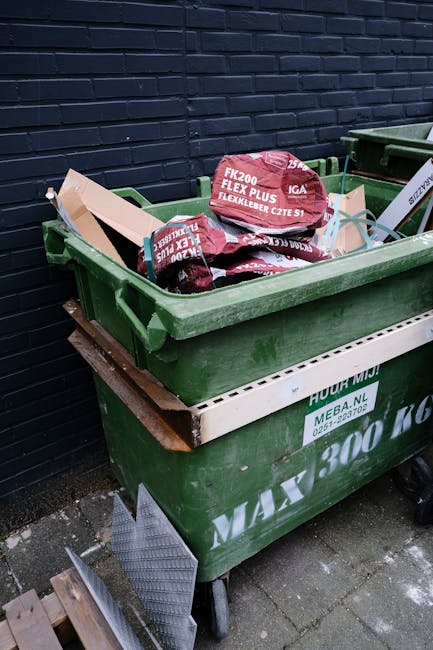
House clearances commonly involve items that are awkward to manage without the right vehicle and lifting approach. These may include wardrobes, beds, sofas, tables, chairs, drawers, boxed miscellany, old electrical items and general domestic waste. Some homes also contain mixed belongings gathered over many years, so the work may need some sorting rather than a simple lift-and-load arrangement. That is one reason a labelled or described list can be valuable before the visit.
Furniture clearance and careful item handling

Furniture clearance is often part of a larger home clearance, but it can also be arranged on its own when a room needs to be refreshed or when single items have become impractical to keep. Large pieces can restrict access, crowd a hallway or make it harder to reorganise a property, so removing them cleanly can make a noticeable difference. The approach should fit both the item and the room, particularly where stairways, narrow doors or landing turns are involved.
We also deal with furniture disposal where items are no longer suitable for reuse in the home. That can include worn seating, damaged cabinets, tired shelving and other pieces that have reached the end of their use. When several items are involved, separating reusable pieces from true waste can help keep the process tidy. If you already know that certain items should be retained, it is sensible to point them out clearly before clearance day.
For households reorganising after a refurbishment, a relocation or a bereavement, furniture decisions often need to be made with some care. A room may contain a mixture of current items, stored pieces and older furniture that no longer fits the space. We work to the agreed list, which means the end result reflects what you want removed rather than a broad, one-size-fits-all sweep. That keeps the clearance more controlled and easier to plan.
Loft, garage and storage clearances
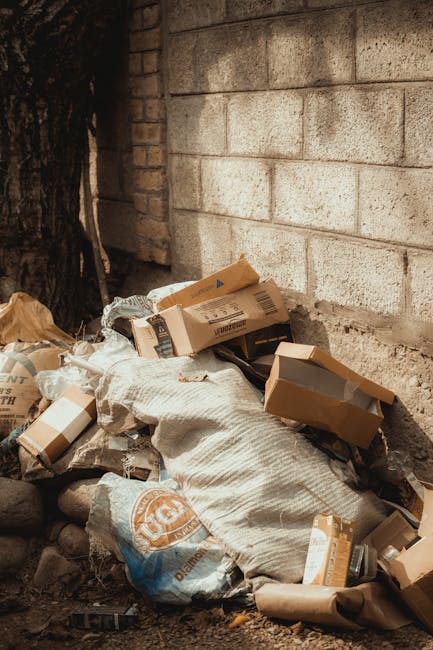
Storage areas usually require a different pace from ordinary living rooms because the contents are often more mixed and less accessible. Loft clearance may involve boxes, seasonal items, old decorations, stored furniture or forgotten household goods. Garage clearance can include tools, small appliances, shelving, broken equipment and accumulated items that have been moved aside over the years. These jobs are often best approached with a clear decision about what should remain in storage and what can be removed.
Access matters in storage spaces, not because the job is complicated, but because the route in and out can influence how items are lifted and carried. Low headroom, steep loft ladders, narrow garage entries and cluttered floors can all shape the order of work. It is useful to mention whether there are fixed items to work around, whether power tools or fragile belongings are mixed in with the load, and whether the space should be swept empty at the end.
- Lofts with boxed household items and old furniture
- Garages containing mixed domestic storage or broken goods
- Areas where only selected items need to be removed
- Clearances that require sorting before lifting begins
Garden and outdoor waste clearance
Garden clearance supports outdoor areas that have gathered cuttings, broken planters, old furniture, sheds contents or general garden clutter. The service can be useful after pruning, tidying, landscaping or a long pause in upkeep. It is not the same as routine gardening, because the emphasis is on removing unwanted material from the property rather than maintaining beds or mowing lawns. Where the area contains a mix of organic waste and man-made items, both can be handled in an organised way.
Outdoor jobs often involve awkward access through side passages, gates or narrow paths, so it helps to think about how materials will be carried out. Branches, bags, timber, broken pots and dismantled outdoor pieces can become heavy quickly when combined. If your garden includes a shed or outbuilding, the contents can be assessed as part of the same clearance, provided you explain which items are to stay and which are to go. That makes the work more accurate and avoids misunderstandings.
Some clearances also involve seasonal tidying after weather damage or a landscaping project, and others simply reflect years of stored outdoor clutter. In either case, the aim is to leave the space in a usable state once the unwanted material has been removed. For a garden that has become hard to manage, a simple removal plan is often the most practical starting point.
Flat clearance and properties with limited access
Flat clearance needs a service that takes shared entrances, stairwells, lifts and neighbours into account. The same domestic items may appear in a flat as in a house, but the access route changes the practical side of the job. Sofas, wardrobes, mattresses and appliances may need careful manoeuvring, so the removal sequence should be planned around the building layout rather than rushed. That is especially important where parking, loading or communal access is restricted.
Not every flat clearance is a full emptying job. Some customers only need a few bulky items taken away before a tenancy ends or a room is reconfigured, while others need a complete clear-out after a move or a change in household arrangements. The difference matters because the amount of sorting, lifting and vehicle space required will change with the scope. If the property contains items in cupboards, on balconies or in loft-style storage, those should be mentioned too.
Planning a more orderly clearance
Good planning keeps the work focused. A short written summary, a room-by-room list or a few clear notes about what stays and what goes can be enough to shape the visit. Where possible, it is also helpful to identify any objects that should be handled separately, such as keepsakes, documents or items intended for another person. That way, the clearance can follow the agreed instructions without unnecessary interruptions.
Waste removal for domestic mixed loads

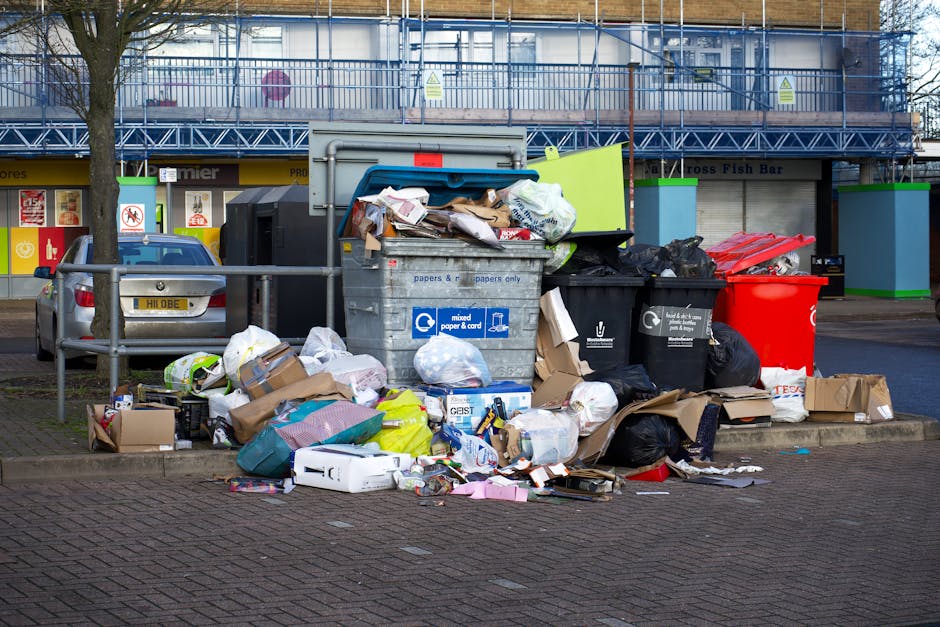
Waste removal is useful when the property contains a mixed load that is no longer wanted but does not fit neatly into one room-based clearance. This can include broken household goods, bagged rubbish, miscellaneous items from cupboards and general non-hazardous waste collected during a tidy-up. The service suits homes that need a practical clear-out without turning the work into a more disruptive project than necessary.
One of the main decisions in mixed-load removal is whether items should be separated first. Reusable household goods, recyclable materials and true waste are often easier to manage when the client has already marked the obvious keepers. However, if the load is too mixed for that, the task can still be approached carefully on site. The key point is to describe the contents honestly so the removal can be matched to the actual job.
Useful details to include when asking for a price are the number of rooms involved, the type of items present, any difficult access points and whether the clearance is tied to a move, sale or tenancy change. You do not need a perfect inventory to start, but the clearer the outline, the easier it is to quote sensibly. If the load includes furniture alongside lighter waste, that is worth saying at the beginning.
What affects the quotation for a house clearance
Several practical factors influence a quotation for house clearance in Byfleet. The volume of items is usually the starting point, followed by the type of goods, how easy they are to remove and whether the work involves one room, multiple rooms or a full property. Items that are bulky, awkward or spread across different floors can require more handling than a straightforward single-space collection.
It also matters whether the job is mainly furniture, a mixed domestic clearance or a combination of rooms with storage areas. A property with tight stairwells, long carrying distances or shared access can take more planning than a ground-floor job with direct exit routes. If the work needs sorting on site, that may also affect the way the quotation is structured, because the time involved is different from a simple pre-grouped removal.
When preparing an enquiry, it is enough to describe the property honestly and mention any items that are especially large, fragile or hard to move. If you can say what should remain in place, what can be removed and whether the job is urgent or flexible, that usually helps the quotation process more than a long explanation. For a quick next step, ask for a quotation and share the basic details.
Recycling, reuse and responsible disposal
Responsible disposal is an important part of any modern clearance service because not every item should be treated the same way. Some household goods may be suitable for reuse, some may be better directed towards recycling and some will need disposal as waste. The practical value of this approach is that it keeps the clearance organised and avoids sending everything into one undifferentiated pile.
Where items are still in reasonable condition, separating them for a reuse-minded route can make sense. Where goods are damaged, incomplete or no longer safe to keep, they can be set aside for disposal. Mixed clearances often contain both types, which is why it helps to identify furniture, electricals, metal pieces, timber, textiles and general rubbish as clearly as possible. That does not mean the client must sort everything beforehand, only that the broad categories are useful to know.
For customers, the main decision is whether they want a clearance that includes simple removal only or one that follows a more measured sorting approach. The right choice depends on the condition of the contents and how much time is available before the property must be handed over. If you want the work handled in a straightforward way, provide the key details and let the removal plan be shaped around the actual contents.
About Byfleet
Byfleet is a village in Surrey, lying close to the River Wey Navigation and the wider transport corridors of north-west Surrey. Its historic core developed around the parish church, the old village centre and routes that connected the settlement with nearby Weybridge and West Byfleet. Although modern roads and housing have changed the setting, the older village character still shows in the mix of built forms and the way the centre reads as a distinct place rather than a mere suburb. The parish church of St Mary’s stands as one of the best-known historic landmarks, with origins that reflect the long continuity of settlement in the area. The village also has ties to the former Brooklands motor racing circuit and aircraft manufacturing history nearby, giving the wider locality a notable industrial and transport heritage. In everyday terms, Byfleet combines older lanes, residential streets, local shops and access to open routes around the Wey landscape. The River Wey Navigation is significant both historically and visually, since it helped shape movement and trade across the region and now contributes to the area’s sense of connection to the waterway network. Nearby green spaces and riverside paths provide a softer edge to the built-up parts of the village, while the surrounding road and rail links place it within a busy part of Surrey where older settlement patterns sit alongside later development. Taken together, these features give Byfleet a character that is compact, practical and historically layered.
House clearance support arranged to suit the property
Different homes need different approaches, which is why a sensible house clearance service starts with the property itself rather than a fixed template. A terraced home, a detached house, a flat and a storage-heavy property all call for slightly different handling. We can work from a list, a room outline or a broader description of the contents, then shape the clearance around what is present on the day. That makes the process more dependable and easier to organise.
The useful practical steps are simple: identify what stays, point out anything fragile or high value, and say whether the clearance includes hidden spaces such as cupboards, lofts or sheds. If there are bulky furniture items, mixed waste or access limitations, it is better to mention them early so the job can be planned properly. Clear information is usually more helpful than lots of detail, especially when the property contains a mixture of items that need different handling.
If you are ready to move forward, you can request a quotation based on the rooms, contents and access at the property. We will then consider the scope and provide a response suited to the job. Use the final paragraph of your enquiry to mention any items that must remain.