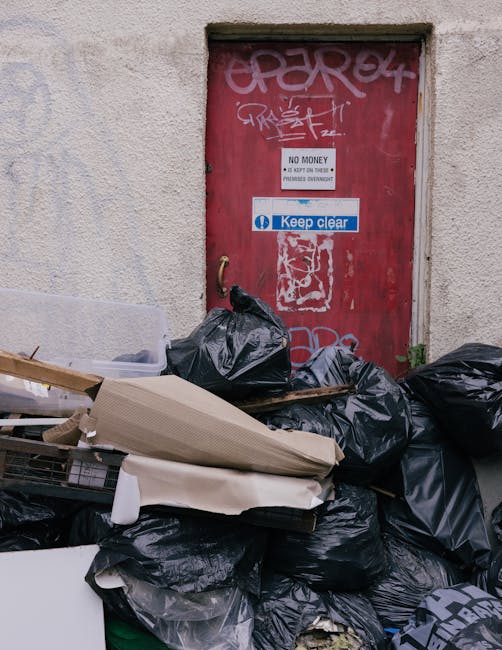
Real cost of rubbish clearance in Byfleet explained
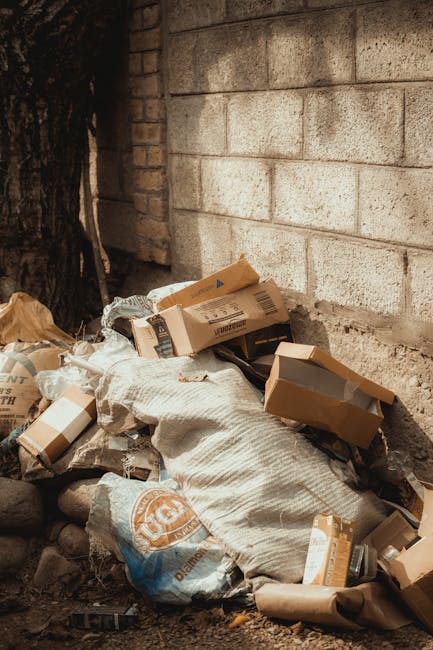
If you have a heap of unwanted stuff building up at home, in the garage, or outside after a clear-out, the first question is usually the same: what is the real cost of rubbish clearance in Byfleet explained? Fair enough. Nobody likes paying more than they should, and rubbish removal quotes can feel a bit fuzzy if you have never booked the service before.
This guide breaks down the pricing properly, without fluff. You will see what affects the final bill, how reputable clearance services usually work, where hidden extras can creep in, and how to get a fair quote for your situation. If you are comparing options, thinking about a flat clearance, or just trying to avoid a nasty surprise on the day, this will help you make sense of it all.
One quick note: the cheapest price is not always the best value. A quote that looks low at first can become expensive once labour, access, sorting, or disposal are added. Let's unpack the whole picture.
Why Real cost of rubbish clearance in Byfleet explained Matters
Rubbish clearance sounds simple until you actually need it. Then the details matter. Are you clearing one bulky item or a full van load? Is the waste easy to lift, or tucked up a loft stair in a house that feels like it was built before common sense existed? Is it general junk, garden waste, builders' rubble, or a mix of everything?
Understanding the real cost matters because it helps you compare quotes properly. Without that, you are likely to compare apples with pears. One company might quote for labour only, while another includes loading, transport, disposal, and recycling costs. On the surface, one looks cheaper. In reality, not so much.
For Byfleet households, landlords, businesses, and tradespeople, this also matters for timing. A short-notice removal after a move, tenant handover, or renovation can save stress if the pricing is clear from the outset. And in our experience, clarity usually means fewer arguments later. Which, let's face it, is always nice.
Expert summary: the real cost of rubbish clearance is not just the van arriving. It is the labour, loading time, access difficulty, waste type, disposal route, and whether anything needs special handling. The best quotes make all of that visible.
How Real cost of rubbish clearance in Byfleet explained Works
Most rubbish clearance pricing in the UK is based on a mix of volume, weight, labour, and access. That is the short version. The longer version is slightly messier, because every job is different.
1. The amount of waste
The more you need removed, the higher the price. A couple of bags is not the same job as a van half-full of mixed household waste. Waste is often priced by van load, cubic yard, or job size, depending on the provider. The important thing is to ask what the quote actually represents. If the words sound vague, push for detail.
2. The type of rubbish
General household rubbish is usually simpler to handle than heavy or awkward materials. Furniture, mattresses, soil, rubble, plasterboard, fridges, and electricals can affect the price because they may need separate handling, sorting, or disposal. A pile of old chairs is annoying; a pile of broken bathroom tiles is a different story entirely.
3. Access and loading conditions
If the team can park close, walk in, and load quickly, the job is often more straightforward. If waste is in a loft, up several flights of stairs, behind a locked gate, or spread across a long garden path, labour time rises. That extra effort shows up in the quote for a reason.
4. Sorting and recycling
Good clearance services do not just tip everything into one heap. They sort what can be reused, recycled, or disposed of correctly. That takes time. It can also reduce the environmental burden, which is why services that place an emphasis on recycling and sustainability are often worth a closer look.
5. Disposal and compliance costs
Waste has to go somewhere legitimate. Reputable operators factor in transfer station fees, recycling charges, labour, fuel, and compliance overheads. If a quote seems unrealistically low, that may be because something has been left out. Sometimes that something appears later as a "surprise" charge. Nobody enjoys that call.
6. Urgency and booking time
Need it cleared tomorrow morning? That can cost more than a flexible booking. A planned clearance is easier to schedule, and the pricing is usually calmer too. If you are arranging a wider property clean-out, a more complete home clearance or house clearance may be more efficient than booking multiple one-off visits.
Key Benefits and Practical Advantages
Once you understand how pricing works, the value becomes clearer. A good rubbish clearance service saves time, effort, and often a fair bit of stress. Truth be told, the biggest benefit is not just empty space. It is mental space too.
- Less manual lifting: no wrestling a broken wardrobe down the stairs by yourself.
- Faster turnaround: useful before house viewings, tenant check-outs, office moves, or tradesmen arriving.
- Better organisation: a proper team can separate reusable items, scrap, and waste more efficiently.
- Safer handling: heavy and awkward items are less likely to cause damage or injury when managed correctly.
- More predictable budgeting: when the quote is detailed, you can plan properly.
For some customers, the real value is convenience. For others, it is simply avoiding a weekend spent in a dust cloud, dragging old furniture to the kerb while the kettle goes cold. Been there? It is not glamorous.
If you only need to remove a few items, a targeted service such as furniture disposal or furniture clearance may be enough. If the job is broader, a more general waste removal solution could be the better fit.
Who This Is For and When It Makes Sense
Rubbish clearance in Byfleet is not just for people doing a dramatic spring clean. It is useful in all kinds of everyday situations.
Homeowners
If the loft is packed, the garage has become a storage mystery, or the garden has turned into a graveyard for broken pots and old fencing, clearance can be a sensible reset. A focused garage clearance or garden clearance can make a surprisingly big difference.
Landlords and letting agents
End-of-tenancy clearances need speed and consistency. When a tenant leaves behind furniture, rubbish, or mixed debris, you often need a quick solution before cleaning or repairs can begin. A structured flat clearance can be especially helpful in multi-storey buildings where access is awkward and time matters.
Businesses
Offices, shops, and workshops all accumulate clutter. Old desks, broken chairs, packaging, file archive material, and end-of-life equipment can add up. If your needs are commercial, business waste removal or office clearance may be the most practical route.
Trades and renovation projects
Builders' waste is a different category again. Bricks, timber, plasterboard, offcuts, and rubble are heavy and often more expensive to remove than general household waste. For that sort of job, builders waste clearance is usually the right service.
Anyone who values time more than lifting things twice
That covers a lot of people. If you would rather spend Saturday with a proper coffee and not a van full of broken stuff, you are the target audience, frankly.
Step-by-Step Guidance
If you want a fair price and fewer headaches, a simple process helps.
- List what needs removing. Be specific. "Old furniture and bags" is a start, but "two sofas, one mattress, six bin bags, and a broken shelving unit" is much better.
- Separate the waste by type if possible. Mixed loads can still be removed, but separation helps with pricing and recycling.
- Photograph the items. Photos give a more accurate picture than a quick verbal description. Include access points too: stairs, narrow hallways, side passages, or parking constraints.
- Ask what the quote includes. Loading, labour, disposal, congestion, and any extra handling should be made clear before booking.
- Check whether anything needs special treatment. Fridges, electricals, paint, rubble, and garden waste may affect the cost.
- Compare like with like. A slightly higher quote can be better if it includes everything and the service is more reliable.
- Confirm timing and arrival expectations. A two-hour window is normal in many cases. Exact timing can be tricky, especially on busy days.
If you are booking for a larger property clear-out, it can also help to review the provider's pricing and quotes approach before you commit. The more transparent it is, the easier your decision becomes.
Expert Tips for Better Results
There are a few small things that make a big difference to the final cost. None are complicated. Most are just about being organised.
- Keep similar items together. It saves time on site and makes the job cleaner.
- Clear a path before the team arrives. Even five minutes spent moving small obstacles can reduce loading time.
- Be honest about the volume. Understating the amount often leads to a revised price on arrival, which nobody wants.
- Ask what happens to reusable items. Some items may be suitable for reuse rather than disposal, depending on condition.
- Book in one job where possible. A single collection is often more efficient than several smaller ones.
One useful habit is to stand in the space and look at the waste the way the clearance crew will see it. Is it stacked neatly, or is it hiding behind other things? That little exercise can save you money. A lot of people forget how much time clutter itself can consume.
If you want to understand the business behind the service, the company's about us page can also help you judge whether they seem like the sort of team you would trust in your home or workplace.
Common Mistakes to Avoid
Here is where many people end up paying more than they needed to.
Choosing the lowest headline price
A low starting figure can look attractive, but if it excludes labour, disposal, or access charges, the final total may be much higher. Always ask what is included.
Not mentioning awkward access
If waste is on an upper floor, behind a locked gate, or in a narrow basement, say so early. Teams need to know whether extra labour is likely.
Mixing heavy waste with light waste without warning
Builders' rubble and garden soil are heavier than general rubbish. If a quote assumes light mixed waste but the actual load is dense and heavy, the cost will change.
Forgetting about disposal restrictions
Some items need separate handling. If you do not mention them, the quote may be incomplete. That can lead to awkward last-minute changes.
Assuming all clearances are the same
A garage clearance, office clearance, and loft clearance may all be "rubbish removal" in broad terms, but the logistics can be very different. The service needs to match the space.
A tiny bit of planning goes a long way here. Enough said, really.
Tools, Resources and Recommendations
You do not need specialist tools to prepare for a rubbish clearance, but a few basics make the process smoother.
- Phone camera: take clear photos of the waste and access points.
- Notebook or phone notes: record item counts, dimensions, and anything fragile or heavy.
- Tape measure: useful if furniture is bulky or access is tight.
- Labels or coloured bags: helpful if you want to separate items for reuse, recycling, or disposal.
- Calendar reminder: useful for keeping the booking window, especially if keys or parking permissions are involved.
When you are comparing services, look for clear information about payment, invoicing, insurance, and safety. Pages such as payment and security and insurance and safety are useful signs that the business takes the practical side seriously, not just the marketing side.
If your clearance involves household contents, you may also want to explore house clearance or a broader home clearance option rather than a one-off waste uplift. Sometimes the broader service is actually simpler and better value.
Law, Compliance, Standards, and Best Practice
Rubbish clearance is not just a logistics job; it also carries responsibility. You do not need to become an expert in waste law to book a service, but it helps to understand the basics.
In the UK, waste should be handled by an operator that disposes of it lawfully and responsibly. If a price looks suspiciously cheap, ask where the waste goes and how it is processed. The right question is not just "how much?" but "what happens to it after collection?"
Best practice usually includes:
- clear pricing before collection
- responsible sorting of reusable and recyclable materials
- safe lifting and loading methods
- proper handling of heavy or awkward items
- careful communication about excluded items or special waste
For business customers, the expectations are usually a little stricter because waste streams can be more varied and operational disruption matters. For example, an office needing document disposal, furniture removal, and equipment clearance benefits from a provider that can keep the process orderly. If that sounds familiar, office clearance may be the most suitable route.
Also, if you are unsure whether a service is clearly explaining what is and is not included, the terms and conditions should be read carefully. Not exciting, no. Very useful, yes.
Options, Methods, and Comparison Table
There are a few common ways to deal with rubbish in and around Byfleet. The cheapest one is not always the smartest one. Here is a simple comparison to help you think it through.
| Option | Best for | Pros | Possible drawbacks |
|---|---|---|---|
| DIY tip run | Small loads, if you have time and a suitable vehicle | Can be inexpensive for very small jobs | Fuel, lifting, queueing, sorting, and your own time add up quickly |
| Skip hire | Longer projects with steady waste generation | Handy for ongoing renovation or garden work | Needs space, permits may be required, and you still have to load it yourself |
| Man and van rubbish clearance | Mixed loads, bulky items, fast turnaround | Convenient, labour included, quicker finish | Can be pricier if the load is larger than expected |
| Specialist clearance service | House, loft, flat, garage, or office clear-outs | Structured, efficient, and often better for larger jobs | May feel more formal than a simple one-off tip run |
For a lot of people, the real decision is between convenience and effort. A DIY trip can work if you have two bags and a free morning. But once you are dealing with a sofa, a mattress, a broken cabinet, and a bit of garden waste, the value of professional help becomes obvious very quickly.
Case Study or Real-World Example
Picture a typical Byfleet Saturday morning. A homeowner is getting ready to sell and needs the garage cleared before an estate agent visit on Monday. The garage contains old paint tins, a chipped chest of drawers, bags of mixed clutter, a spare tyre, and a few bits from a long-finished DIY project. Nothing dramatic. Just accumulated life.
At first glance, it looks like one straightforward job. But there are details: the garage is down a narrow side path, some items are awkwardly stacked, and one cabinet is heavier than expected. A well-structured quote would consider the full load, the access, and the labour required to move everything safely.
In that scenario, a professional garage clearance saves the homeowner from multiple trips, awkward lifting, and a likely late finish. The real cost is not only the invoice. It is also the Saturday afternoon that is not spent lifting splintery shelving around the driveway while trying not to drop it on your foot. Small mercy, really.
The point of the example is simple: the true cost depends on context. Two jobs that look identical from the street can be very different once the crew starts loading.
Practical Checklist
Use this before you request a quote or confirm a booking.
- List the items you want removed.
- Note whether the waste is general, bulky, heavy, garden-related, or builders' waste.
- Take photos of the items and the access route.
- Measure any awkward furniture or tight doorways.
- Check whether anything needs special handling.
- Ask what the quote includes and excludes.
- Confirm the expected arrival window.
- Ask how recycling or reuse will be handled where appropriate.
- Read the terms before you agree.
- Keep parking or access details handy for the collection day.
If you are planning a larger clearance and want to speak to a team directly, you can also use the site's contact us page to ask questions before booking. It is usually better to clarify early than haggle on the doorstep. Much better.
Conclusion
The real cost of rubbish clearance in Byfleet explained is not just a number on a quote. It is a mix of waste type, load size, labour, access, disposal route, and how transparent the provider is about everything included. Once you understand those pieces, the whole process becomes much easier to judge.
For small, simple loads, a basic collection can be a quick fix. For bigger or more awkward jobs, a structured clearance service often gives better value because it saves time, reduces stress, and helps keep things tidy and compliant. That is usually the part people appreciate most after the job is done: the calm, empty space and the feeling that the clutter is gone for good.
Get a free quote today and see how much you can save.
If you are still weighing up your options, start with a clear list of what needs removing, then compare quotes on a like-for-like basis. That small bit of care goes a long way, and it can save you both money and a headache.
Frequently Asked Questions
How much does rubbish clearance usually cost in Byfleet?
The cost depends on the size of the load, the type of waste, access, and labour required. A small, easy collection will usually cost less than a heavy mixed load from a loft or garden.
What affects the final price the most?
The biggest cost drivers are usually volume, weight, access, and disposal requirements. Heavy materials and difficult access tend to increase the price faster than people expect.
Is it cheaper to do it myself?
Sometimes, yes, if the load is very small and you already have transport. But once you factor in fuel, time, loading effort, and tip fees, DIY is not always the cheaper route.
Do I need to sort the rubbish before collection?
Not always, but it helps. If you can separate furniture, garden waste, and general junk, the quote is often easier to price accurately and the collection can run more smoothly.
Why is a loft clearance often more expensive?
Lofts usually involve stairs, awkward carrying, and limited space. That extra labour and time can push the cost up compared with a ground-floor collection.
Can a rubbish clearance service take furniture too?
Yes, in many cases. Bulky items such as sofas, wardrobes, tables, and mattresses are commonly included in furniture clearance or general waste jobs, depending on the provider.
What is the difference between waste removal and clearance?
Waste removal is a broad term for taking rubbish away. Clearance usually implies a more complete service where the crew removes items from inside or around a property and loads them for you.
Will I be charged extra if the rubbish is heavier than expected?
Possibly. That is why it is so important to describe the load clearly and share photos. If the actual waste is much heavier or larger than described, the quote may need adjusting.
Is builders' waste more expensive to remove?
Often, yes. Builders' waste such as rubble, plasterboard, and bricks is heavier and can be costlier to process than ordinary household rubbish.
How can I avoid hidden charges?
Ask for a detailed quote, confirm what is included, mention access issues upfront, and check the terms before booking. Clear information at the start usually means fewer surprises later.
What if I only need a few pieces of furniture removed?
That is exactly where a smaller, targeted service can help. A furniture clearance or furniture disposal job may be more cost-effective than booking a larger all-purpose removal.
How do I know if a quote is fair?
A fair quote is usually clear, specific, and consistent with the information you gave. If it explains labour, loading, disposal, and any relevant extra costs, that is a good sign.
Do businesses in Byfleet need a different type of service?
Often they do. Offices, shops, and trade sites may need commercial waste handling, furniture removal, or a dedicated business waste removal arrangement rather than a standard household collection.
What should I do before the team arrives?
Make access as easy as possible, remove anything you want to keep, and have parking or entry instructions ready. A little preparation really does make the day smoother.