Health & Safety Policy for House Clearance Byfleet
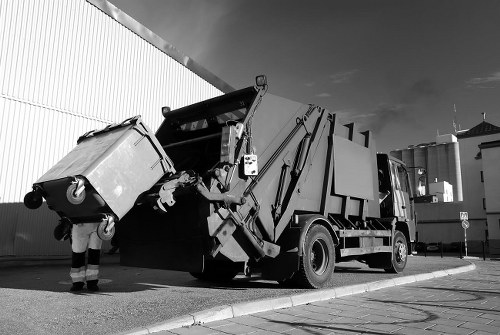 Policy statement: This document sets out the health and safety policy for our house clearance and rubbish removal activities. It applies to all house clearance services, domestic waste collections and related operations carried out on behalf of clients. The organisation recognises its legal and moral duty to provide a safe place of work, to protect employees, contractors, members of the public and to ensure that waste handling and disposal is conducted in a way that minimises risk and environmental harm. Compliance with statutory requirements and best practice is mandatory.
Objectives: To prevent personal injury, reduce the risk of property damage, control the safe handling of waste and bulky items, and to ensure that rubbish collection and clearance are carried out with appropriate training, supervision and equipment. This policy supports continuous improvement and regular review.
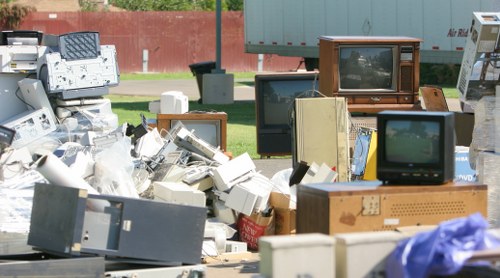 Scope and applicability: This policy covers all aspects of a house clearance company service area including residential property clearances, garage and loft clear-outs, estate clearance, and rubbish removal operations whether carried out on-site or during transport and disposal. It excludes specialist hazardous waste disposal which must be handled under separate statutory controls and by licensed handlers where required.
Responsibilities and organisation
The senior management team has overall responsibility for health and safety. Line managers and supervisors are responsible for implementing safe systems of work, conducting risk assessments and ensuring staff comply with this policy. Employees and contractors must follow instructions, use provided protective equipment, report hazards and cooperate with safety measures. Specific roles and duties are documented and communicated to all staff.
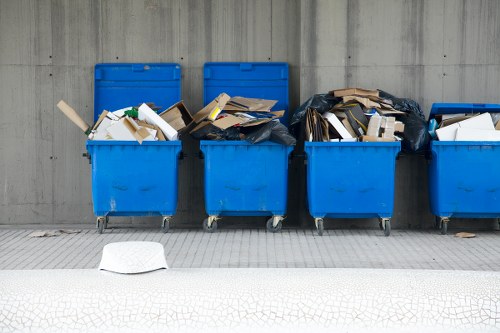 Key responsibilities include:
- Carrying out and recording risk assessments for every clearance job.
- Providing training and information on manual handling, safe loading, vehicle operation and waste segregation.
- Maintaining and inspecting tools, lifting aids, vehicles and PPE.
- Reporting, recording and investigating incidents and near misses.
All personnel involved in waste handling must receive induction training and refresher courses on manual handling techniques, safe use of trolleys, dollies and lifting equipment, and procedures for dealing with sharp objects, asbestos, electrical items and chemicals. Contractors working as part of the clearance service are required to demonstrate equivalent competence and insurance.
Risk assessment, safe systems and PPE
Risk assessments will be conducted for each job to identify hazards such as unstable furniture, biological contaminants, sharps, chemical containers and access limitations. Control measures will be implemented using the hierarchy of control: elimination, substitution, engineering controls, administrative controls and personal protective equipment. Appropriate PPE typically includes gloves, steel-toe boots, hi-vis clothing and dust masks; respiratory protection is provided when airborne hazards are identified.
Safe systems of work will address manual handling, teamwork for heavy lifts, segregation of recyclable materials, containment of liquid wastes and secure loading of vehicles. Drivers and loaders must ensure loads are safe and compliant with road safety regulations and that materials likely to shift in transit are restrained. Refuse transfer and sorting is managed to reduce contamination and protect operatives.
 Hazardous materials and prohibited items: Items suspected of containing asbestos, pressurised canisters, certain batteries, medical waste and unknown chemical containers must not be handled without specialist assessment. These items should be isolated and escalated; disposal requires licensed waste carriers. Our policy emphasises identification, non-confrontational handling and safe handover to authorised disposal services where necessary.
Emergency procedures include first aid arrangements, fire safety measures and clear reporting lines for accidents. All incidents are recorded and reviewed to implement corrective actions. Regular inspections, toolbox talks and safety meetings form part of ongoing monitoring. The organisation maintains suitable insurance and ensures that vehicles and equipment undergo routine maintenance and safety checks to mitigate mechanical risks.
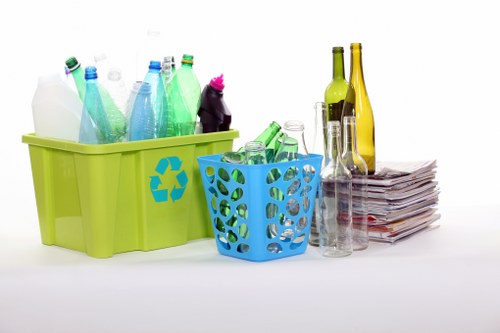 Monitoring, review and continual improvement: This policy will be reviewed at least annually or following significant incident, change in legislation or operational change. Performance indicators include accident rates, near-miss reports, completed risk assessments and training completion records. Audits and spot checks will be used to verify compliance and identify opportunities for improvement.
Commitment: The company commits to supporting employees with training, clear procedures and sufficient resources so that house clearance, rubbish collection and removal services are performed safely and lawfully. Everyone engaged in the clearance service area is expected to contribute to a culture of safety, report hazards and adhere to this policy. Failure to comply with the policy may result in disciplinary action where appropriate.
