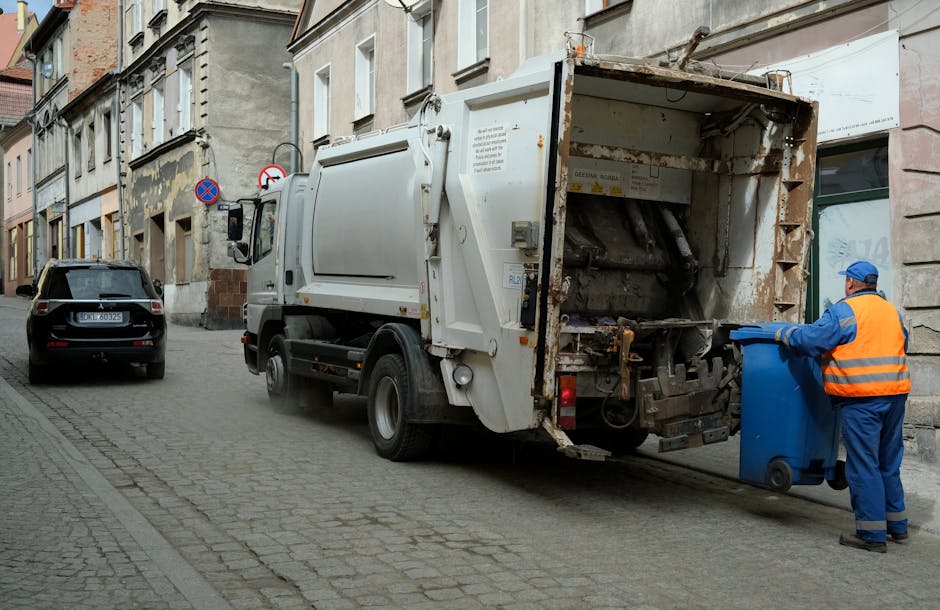
Avoid hidden rubbish removal charges in Byfleet: a practical guide to clear, fair pricing
If you are trying to avoid hidden rubbish removal charges in Byfleet, you are probably dealing with one of those jobs that looks simple at first and then gets complicated very quickly. A few bags in the garage. An old sofa. Maybe a loft full of mixed bits and pieces. Then the price changes, the wording gets fuzzy, and suddenly you are being asked to pay extra for things you thought were included. Annoying? Very. Avoidable? Usually, yes.
This guide explains how rubbish removal pricing should work, where hidden fees tend to appear, and what to ask before you book. It is written for homeowners, landlords, tenants, businesses, and anyone else in Byfleet who wants a straightforward service without the unpleasant surprise at the end. Let's make the whole thing a bit less mysterious.
Why avoiding hidden rubbish removal charges in Byfleet matters
Hidden charges are more than just irritating. They can turn a tidy, planned clearance into something stressful and expensive. In practice, the problem usually starts with a quote that sounds low, then grows once the team arrives and starts adding on fees for access, labour, item type, load size, or disposal conditions. Sometimes the extras are legitimate. Sometimes they are just poorly explained. Either way, the end result is the same: you pay more than expected.
In Byfleet, where properties can range from compact flats to larger family homes and mixed-use spaces, the details matter. A narrow drive, a top-floor flat, a heavy wardrobe, or a heap of builders' waste can all affect the job. That does not mean you should be hit with vague add-ons. It means the quote should be clear enough to reflect the real job from the start.
Expert takeaway: the best rubbish removal quote is not always the cheapest. It is the one that tells you, plainly, what is included, what might cost more, and what happens if the job changes.
If you want to understand the difference between a transparent quote and a slippery one, it helps to compare pricing against the service details on a provider's pricing and quotes page, plus the practical scope shown in services like waste removal and house clearance.
Truth be told, most bad experiences are not caused by one giant scam. They are caused by lots of small assumptions. That is the part to watch.
How rubbish removal pricing usually works
Most rubbish removal companies price jobs using a mix of volume, labour, vehicle space, item type, and time. That is normal. What matters is whether those factors are explained in a way that makes sense to you before anyone lifts a thing.
Here is the usual pattern:
- Initial estimate: based on photos, a description, or an in-person look at the waste.
- Job assessment: the team checks access, lifting requirements, and what is actually there.
- Final confirmation: any extra cost should be explained before work goes ahead.
- Removal and disposal: the waste is taken away, sorted, and processed according to the service offered.
Where things get messy is when a quote is only loosely based on the actual load. For example, if you mention "some furniture" but the load includes a sofa, a mattress, a wardrobe, broken shelving, and a few bags of mixed junk, the job may be materially different from what was expected. Fair enough. But that needs to be explained in advance, not sprung on you at the kerbside.
You will also see pricing differences depending on the type of waste. Builders' debris, heavy soil, plasterboard, fridges, and bulky furniture may need different handling. That is why specialist pages such as builders waste clearance, furniture disposal, or furniture clearance can be useful when the job is more specific than general household rubbish.
A decent provider should be able to explain the pricing logic in plain English. No drama. No fog. Just a clear answer.
Key benefits and practical advantages
There is a very real difference between a service that is cheap on paper and one that is genuinely good value. Avoiding hidden rubbish removal charges is not only about saving money on the day. It also makes the whole process calmer and easier to plan.
- Better budgeting: you know the likely cost before the team arrives.
- Less stress: no awkward conversations when the van is loaded.
- Faster decisions: you can compare providers more sensibly.
- Fewer disputes: clear expectations reduce arguments later.
- Better service fit: the quote should match the actual work needed.
There is also a small but important practical benefit: a transparent quote often tells you whether the provider is used to your kind of job. A garage clear-out, for instance, is very different from a full flat clearance. If you are clearing a rental property, timing, access, and item mix all matter. If you are dealing with a cluttered loft or a packed office, the same principle applies. Good pricing usually goes hand in hand with good operational awareness.
For larger or more structured clearances, a provider's service pages can help set expectations. See, for example, garage clearance, loft clearance, flat clearance, and office clearance. They give a sense of what kind of jobs the company handles and how broad the service might be.
Who this is for and when it makes sense
This is for anyone who wants rubbish removed without paying for surprises. That sounds broad, because it is broad. Hidden fees can affect a lot of people:
- Homeowners clearing out a spare room, garage, loft, or garden
- Tenants moving out and needing a fast, tidy turnaround
- Landlords preparing a property for new occupants
- Small businesses clearing office furniture or unwanted equipment
- Builders and tradespeople dealing with leftover waste from a project
- Families arranging a respectful and efficient home clearance
It also matters when the job feels a bit awkward. Maybe you have a narrow hallway and heavy furniture. Maybe the waste is mixed, so it is hard to describe in one sentence. Maybe you are unsure whether something counts as household rubbish, reusable furniture, or specialist waste. These are exactly the moments when hidden charges tend to sneak in. So the job needs clear communication from the start.
If you are not sure which service best fits your situation, it can help to look at the broader home clearance and house clearance options, then narrow down from there. A slightly more specific brief usually leads to a more reliable quote. Simple, really.
And if you are comparing business-related jobs, the same principle applies to business waste removal: explain the load, the access, the timing, and the sort of materials involved.
Step-by-step guidance
If you want to avoid hidden rubbish removal charges in Byfleet, the easiest approach is to make the job easy to quote properly. The clearer the information you give, the less room there is for misunderstanding.
- List what needs removing. Be specific. "Three bin bags, one fridge, one mattress, and a dismantled desk" is better than "a bit of rubbish."
- Note any awkward access. Stairs, tight corners, no parking nearby, long carries, locked gates, or top-floor flats should all be mentioned early.
- Send photos where possible. A few clear pictures can prevent a lot of back-and-forth. One photo from the door, one close-up, one wider shot. That usually helps.
- Ask what the quote includes. Check labour, loading, disposal, VAT if applicable, minimum charges, and any extra fees.
- Ask what would change the price. Good providers will explain the triggers: extra volume, restricted access, heavy items, or additional sorting time.
- Confirm timing and arrival window. Time-based add-ons can appear if jobs are rushed or delayed, so pin this down.
- Get the final figure in writing. Even a short message or email is better than memory. Memory is... not always a hero.
If your waste is a bit more specialised, such as renovation debris or trade leftovers, the right starting point may be builders waste clearance. For old sofas, chairs, wardrobes, or mixed furniture, you may prefer furniture clearance or furniture disposal. Matching the service to the job is one of the simplest ways to stop price creep.
Expert tips for better results
Here are the habits that tend to save people money, time, and hassle.
- Be honest about the volume. Understating the load is the quickest way to create a pricing dispute.
- Ask about minimum charges. A small job can still carry a base fee, which is fair enough if you know about it first.
- Separate reusable items. If furniture can be reused or resold, say so. The route may be different from general waste.
- Keep the waste accessible. If you can safely move items to one spot, the quote may be easier to hold.
- Clarify what stays behind. A little confusion over "included" items can lead to annoying add-ons.
- Ask whether loading time matters. Some quotes assume quick access; others do not. It is worth checking.
One thing people often miss: the cheapest quote is not always the cheapest final bill. A slightly higher fixed price can be better than a low headline figure that balloons later. You know the type. Looks brilliant until the extras start appearing like unwanted guests.
Another useful habit is to ask whether the provider offers written terms that explain pricing and payments clearly. A company with accessible information on terms and conditions, payment and security, and insurance and safety usually feels a lot more grounded than one that avoids specifics.
Common mistakes to avoid
A lot of hidden-charge problems come from ordinary, very human mistakes. No judgement here. Most people do not book rubbish removal every week.
- Accepting a vague estimate: "around this much" is not enough if the job is complex.
- Not mentioning awkward access: stairs, distance from parking, and narrow hallways matter.
- Mixing different waste types in one description: furniture, builders' waste, and garden waste can price differently.
- Forgetting heavy or awkward items: pianos, safes, concrete, and big appliances can affect labour and loading.
- Assuming disposal is always included: it usually is, but check what that actually covers.
- Ignoring the fine print: yes, it is dull. Still important.
Some people also forget to ask what happens if the amount of waste changes on the day. A fair provider should explain how they handle that. If the load is bigger than expected, an updated quote is reasonable. If they did not bother to ask the right questions beforehand, that is less reasonable.
For jobs in a garden or outside space, the same logic applies. Soil, branches, fencing, and general garden clutter are not all the same thing, so look at the right service, such as garden clearance, rather than assuming one price covers everything.
Tools, resources and recommendations
You do not need fancy tools to avoid hidden rubbish removal charges. What you do need is a decent bit of preparation.
- Phone camera: take clear photos of the waste, access points, and parking situation.
- Short written inventory: a list of items is often more useful than a long explanation.
- Measuring tape: handy if you are dealing with bulky furniture or tight doorways.
- Calendar or diary: useful for confirming dates, especially if you are coordinating a move or tenancy deadline.
- Payment check: make sure you understand how payment is taken and when.
If you want a simple starting point for a quote request, use the details on pricing and quotes and the contact route provided on the site. For general company background and approach, the about us page can also help you judge whether the business feels transparent and practical.
And if sustainability matters to you - which, to be fair, it should - look for information on recycling and sustainability. Responsible disposal is not the same as just taking everything away. The best providers think about reuse, recycling, and proper sorting, not only speed.
Law, compliance, standards and best practice
When rubbish removal is handled professionally in the UK, there are a few common-sense expectations that matter. You do not need to become a compliance expert, but a basic understanding helps you spot warning signs.
First, waste should be handled and disposed of responsibly. If someone offers to remove waste for cash without any paperwork, a receipt, or clear business details, that is a red flag. You want a provider that appears organised, insured, and willing to explain what happens to the waste.
Second, if the job involves manual handling, awkward lifting, or items that could cause injury, safe working practices matter. Good companies should think about access, lifting, and the condition of the property. That is one reason pages like health and safety policy and insurance and safety are useful trust signals.
Third, if a provider publishes clear complaints information, that is a positive sign. It suggests they are prepared to deal with issues properly. Nobody wants to use a complaints process, obviously, but having one is better than having nothing. You can see that approach reflected in a page such as complaints procedure.
Finally, good practice means upfront pricing, honest descriptions, and no bait-and-switch tactics. That is not "premium service" in the fluffier marketing sense. It is just decent business behaviour.
Options, methods and comparison table
There are a few common ways to arrange rubbish removal, and the right choice depends on how much you have, what it is, and how quickly it needs to go.
| Method | Best for | Pros | Watch out for |
|---|---|---|---|
| General rubbish removal | Mixed household waste or light clear-outs | Simple, fast, often convenient | Vague quotes if the load is not described carefully |
| Furniture clearance | Sofas, wardrobes, beds, tables, office furniture | Clearer pricing for bulky items | Heavy or awkward pieces may carry extra handling |
| House or home clearance | Whole rooms, full properties, probate or moving jobs | Suitable for larger, structured clearances | Needs a more careful quote because scope can change quickly |
| Builders' waste clearance | Renovation, refurbishment, and trade waste | Designed for heavier or messier loads | Material type and weight can affect the final price |
| Office or business waste removal | Workstations, filing, chairs, and commercial clutter | Useful for scheduled and managed clearances | Access, timing, and data-sensitive items may need extra care |
The table makes one thing pretty clear: no two jobs are identical. If you have a mixed load, the safest route is usually to describe the items carefully and choose the service that fits most closely. That is far better than assuming a generic "all waste" price will cover everything. It often won't.
Case study or real-world example
Here is a simple, realistic example from the sort of job many Byfleet residents face.
A homeowner is clearing a spare room before new flooring goes down. The room contains an old double bed frame, a mattress, a broken chest of drawers, several bags of clutter, and a small shelving unit. At first glance, it sounds like a straightforward clearance. But the property has narrow stairs, parking is a little awkward, and the mattress needs handling separately. If the customer only says "one room of rubbish," the quote may be too low to be reliable.
In a better version of the same job, the customer sends photos, lists the items, and mentions the stairs and parking straight away. The provider then prices the job with those details in mind. There is still room for adjustment if something unexpected appears, but the risk of hidden charges is much lower.
That is the pattern you want: clear information in, clear quote out. Not perfect, but solid enough to trust.
For this kind of mixed household work, a service like home clearance or house clearance often makes more sense than trying to force the job into a generic waste removal description. The clearer the fit, the cleaner the pricing.
Practical checklist
Use this before you accept any rubbish removal quote in Byfleet.
- Have I listed every item that needs removing?
- Have I mentioned stairs, distance from parking, gates, or tight access?
- Have I asked whether labour and disposal are included?
- Do I know what would count as an extra charge?
- Have I sent photos or given a full description?
- Do I understand the payment method and timing?
- Have I checked whether the provider handles this type of waste?
- Have I confirmed the final price in writing if possible?
- Do the company's policies feel clear and professional?
- Does the quote still make sense if the job takes longer than expected?
If you can tick most of those boxes, you are in a much stronger position. You do not need to interrogate every detail like a detective in a TV drama. Just be sensible, clear, and a bit thorough. That goes a long way.
Get a free quote today and see how much you can save.
Conclusion
The easiest way to avoid hidden rubbish removal charges in Byfleet is to slow the process down just enough to make it clear. Describe the waste properly. Mention access issues early. Ask what is included. Get the price in writing. And choose a provider that answers questions plainly rather than wrapping everything in vague marketing language.
That is really the heart of it. Good rubbish removal should feel organised, fair, and predictable. Not noisy. Not confusing. Just one less thing to worry about on an already busy day.
If you approach it with a little preparation, you will usually get a much better result - and probably a better price too. Nice when that happens, isn't it?
Frequently Asked Questions
What are hidden rubbish removal charges?
They are extra costs that were not clearly explained before the job started. They might relate to access, labour, item type, time on site, or extra waste volume. The best way to avoid them is to ask for a clear breakdown before booking.
How do I know if a rubbish removal quote is fair?
A fair quote should explain what is included, what might cost more, and how the company arrived at the price. If it feels vague or rushed, ask for more detail. A proper quote should make sense without guesswork.
Should I send photos before I get a quote?
Yes, if possible. Photos make a big difference because they show the volume, access, and type of waste. A short description plus a few good pictures is usually far better than a quick verbal estimate.
Why does access affect rubbish removal pricing?
Because difficult access can add time and labour. Stairs, long carries, no parking nearby, or tight hallways can all make the job more involved. A good company should explain that clearly rather than surprise you later.
Is the cheapest quote always the best choice?
Not usually. Very low quotes can hide exclusions or extra charges. A slightly higher fixed price is often better if it is clear, honest, and includes the full job.
Can bulky furniture cost more to remove?
Yes. Heavy, awkward, or oversized items may need extra handling. Furniture removal is often straightforward, but sofas, wardrobes, mattresses, and similar items can change the price if they are difficult to move or dispose of.
What should I ask before booking a clearance service?
Ask what is included, whether there are minimum charges, what could change the price, how payment works, and whether the company handles your type of waste. Those five questions alone prevent a lot of problems.
Do home clearance jobs and rubbish removal jobs price the same way?
Not always. Home clearance can be broader and may involve sorting, lifting, and mixed contents, while rubbish removal may focus more narrowly on loading and disposal. The key is to choose the service that best matches the actual job.
What if the amount of rubbish changes on the day?
Then the price may need to change too, but that should be explained before work continues. A professional provider will usually confirm the new cost before going ahead. That is normal and reasonable.
How can I check whether a provider is trustworthy?
Look for clear pricing, written terms, practical policies, and a sensible explanation of how the waste will be handled. Pages such as about us, terms and conditions, and complaints procedure can give you a feel for how organised the business is.
Can rubbish removal be arranged for businesses in Byfleet too?
Yes. Office clearances, commercial waste, and other business-related removals can usually be arranged through the right service. It is especially important to be precise about the items, timing, and access so the pricing stays accurate.
Does recycling matter when choosing a rubbish removal company?
It does. Responsible disposal is part of good service, not an optional extra. If a company explains its recycling and sustainability approach clearly, that is usually a positive sign that it takes the work seriously.
What is the simplest way to avoid hidden charges?
Be specific, ask direct questions, and get the quote confirmed in writing if you can. That combination removes most of the uncertainty. And honestly, that is what most people want in the first place: no surprises, no drama, just the job done properly.